Loading…
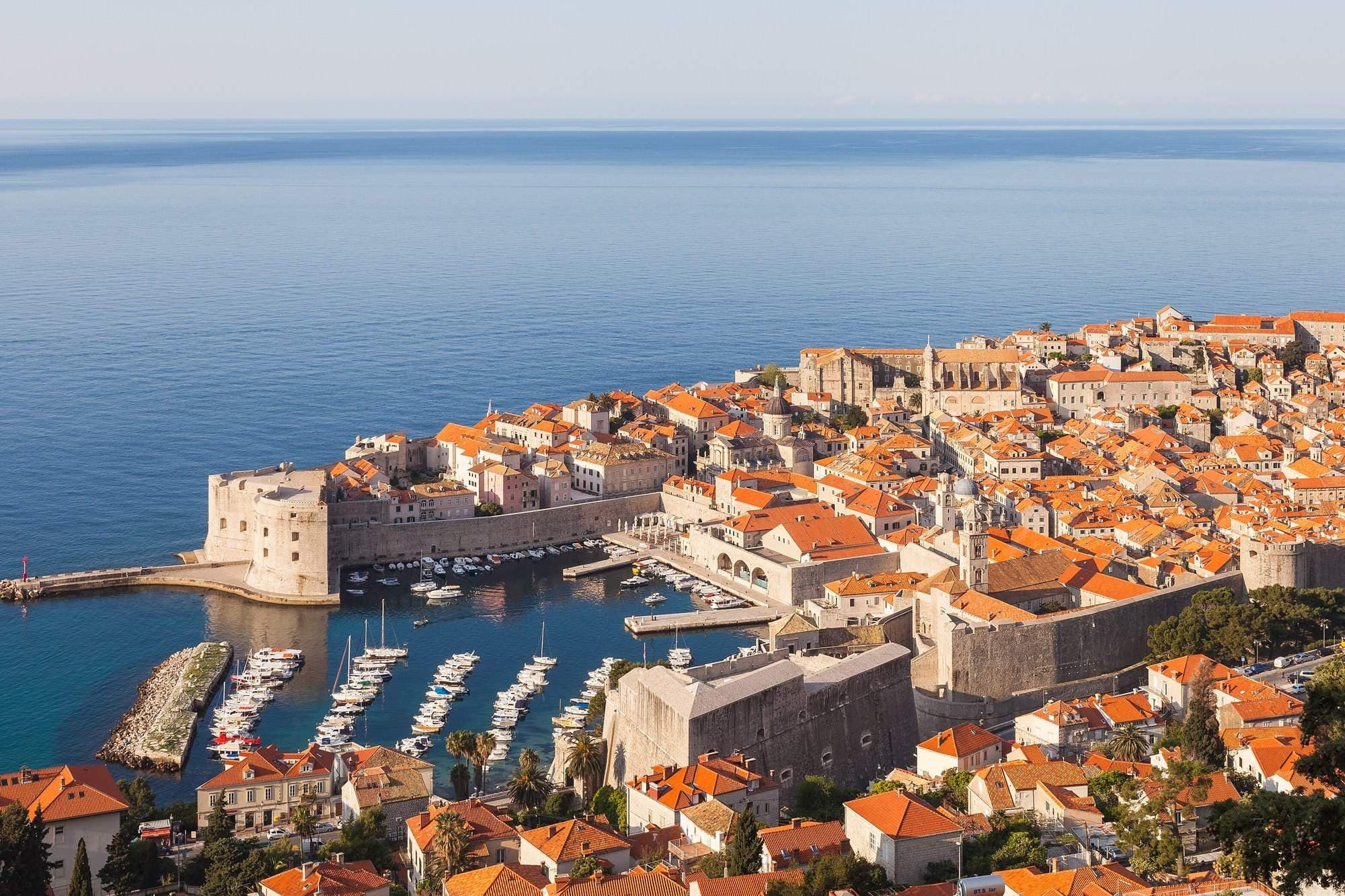
Photo: Diego Delso · CC BY-SA 3.0
Adriatic Sea
Croatia & Montenegro
A thousand islands, walled cities and the deepest fjord in southern Europe.
Overview
Croatia has more than a thousand islands and, unusually for the Mediterranean, most of them are close enough together that you are rarely more than an hour from shelter. The sailing is protected, the water is startlingly clear, and the shoreline alternates between Venetian-era towns and pine-covered emptiness. South of Dubrovnik the coast becomes Montenegrin, and the Bay of Kotor cuts twenty-eight kilometres inland between mountains — geologically a drowned river canyon, and the most dramatic approach in the Adriatic.
Where to dine
A table by the water
Nautika
DubrovnikBeneath the city walls with the Adriatic on two sides — the classic Dubrovnik dinner.
Gariful
HvarOn the Hvar waterfront, with its own fishing boats. The place the harbour eats.
Bowa
ŠipanPrivate cabanas on a bay in the Elaphiti islands, reachable only by boat. Slow lunches, nothing hurried.
Konoba dining, Korčula
The konoba is the Dalmatian tavern — peka cooked under an iron bell, ordered hours ahead.
The waterfront at Perast
Bay of KotorA Venetian village of stone palaces facing two island churches. Fresh Adriatic fish, no spectacle.
What to do
Anchorages & excursions
Kornati National Park
Eighty-nine islands, almost all uninhabited — bare karst, deep water and near-total silence.
The Blue Cave, Biševo
A sea cave off Vis where late-morning light turns the whole chamber luminous blue. Entry by small boat.
Bay of Kotor
A 28km inlet between 1,700m mountains, with Kotor's walled town at its head. Sail it slowly.
Dubrovnik city walls
Two kilometres of intact rampart above the old town — walk them at opening or an hour before sunset.
Pakleni Islands
The archipelago immediately off Hvar — Palmižana and a dozen anchorages within a short tender ride.
Plan your voyage
Chart a course to Croatia & Montenegro
Tell us your dates and party, and we’ll match the right yacht and crew to this coastline.